The Future of Electric Vehicles: The Push Towards Electrification
The shift toward electrified vehicles is a rapidly evolving trend, driven by a combination of technological advancements, government policy, and consumer demand.
Introduction
The electrification of the automotive industry has been a rapidly growing trend in recent years, driven by several factors, including the need for a more sustainable and environmentally friendly form of transportation, advances in battery and charging technology, and increasing consumer demand for electrified vehicles. However, we are still in the early stages of the auto industry's shift to electrification, with EVs still representing a small portion of total automobile production and sales in the US. But as electrification efforts ramp up, BEVs are expected to play a much larger role in the American and global automotive landscape by the end of the decade, and potentially redefine mobility altogether by 2040.
Current State of Electrified Vehicles
Over the past decade, the electrified vehicle market has seen significant growth, driven by the introduction of hybrid and plug-in hybrid vehicles. These vehicles have been well received by consumers, and the trend has been toward increasing battery capacity and range, resulting in a growing number of battery electric vehicles (BEVs) on the road. In response, major automakers are investing billions in research and development to electrify their lineups and transition to all-electric vehicles by the mid-next decade.
Challenges and Opportunities
While the shift toward electrified vehicles presents many opportunities, it also presents significant challenges. One of the biggest challenges is building the necessary charging infrastructure to support the growing number of electric vehicles. This requires significant investment and coordination among various stakeholders, including automakers, governments, and utility companies.
Battery technology is another critical factor in the success of electrified vehicles. Advances in battery storage and energy density are crucial for improving the capabilities and range of electric vehicles. Additionally, ongoing research and development efforts are aimed at reducing the cost and environmental impact of battery production, which will be key to making electric vehicles more affordable and accessible to a wider range of consumers.
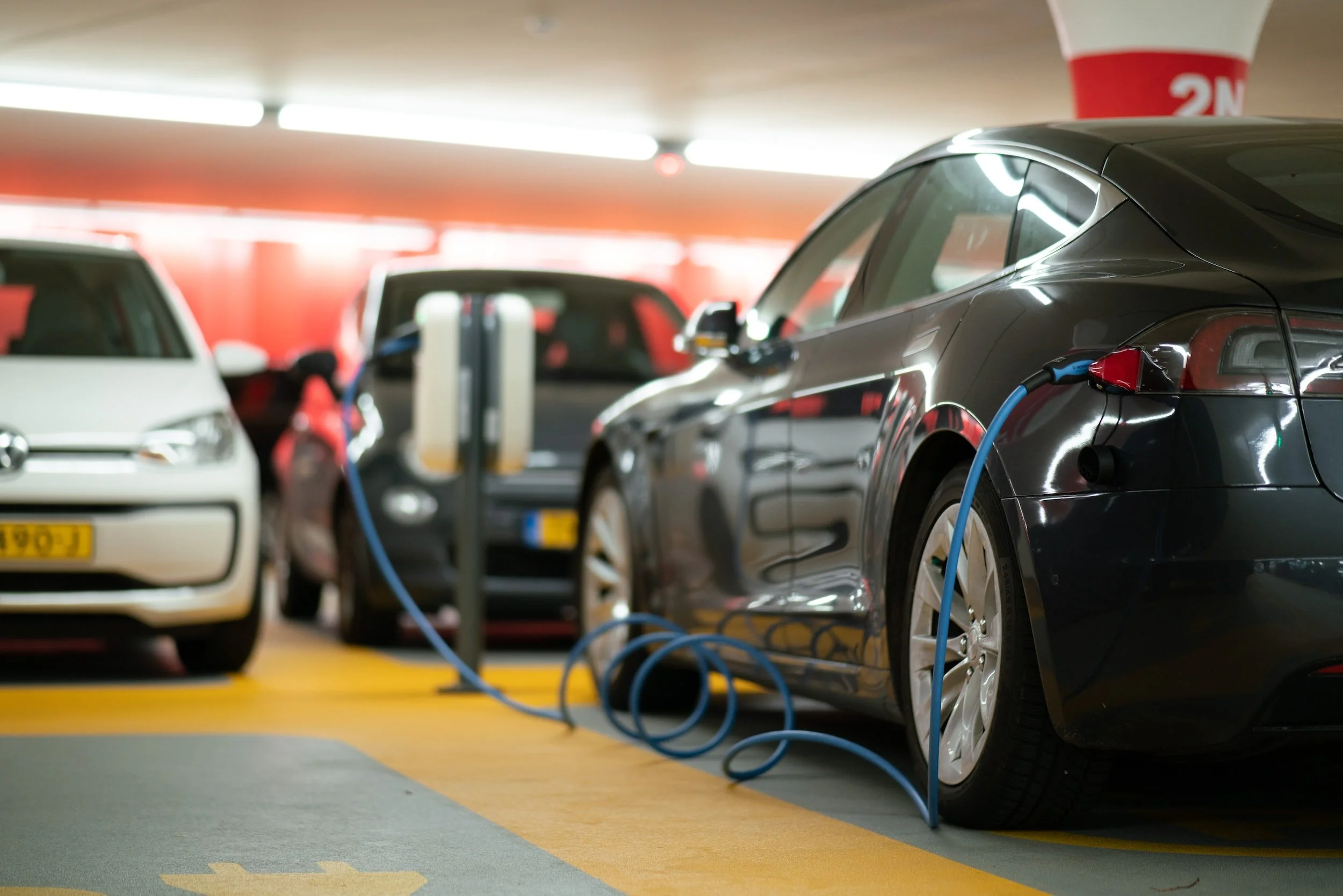
Building the charging infrastructure to support the millions of EVs expected in the coming years is a major challenge. The number of EVs in the US is projected to rise from 2 million in 2020 to over 26 million in 2030, and charging infrastructure must grow at a proportional rate. This includes expanding public and workplace charging from 216,000 chargers in 2020 to 2.5 million chargers by 2030, including 1.3 million Level 2 workplace chargers, 1 million public Level 2 chargers (such as at grocery stores, restaurants, airports, etc.), and 180,000 Level 3 DC fast chargers.
Expanding charging infrastructure will cost tens of billions of dollars and require the involvement of multiple stakeholders, including local officials and municipalities, with getting approvals often being a lengthy process. Once installed, charging infrastructure offers numerous benefits, including smartphone apps showing charger availability and embedded billing for ease of use. Several EV charging providers are in the market, including EVgo, Blink, ChargePoint, Volta, Electrify America, and Tesla, which has its own Supercharger network.
At-home EV charging is also a popular option for many Americans, with subsidies and tax credits available to help with the cost of installing a garage-based charger, and special "EV rates" offered by major utility companies. However, this is not an option for apartment and condo dwellers, who must rely on public charging stations. A shortage of public EV chargers could discourage Americans from switching to greener alternatives, while a robust charging infrastructure network with easy access and the ability to travel long distances will increase EV adoption.
Government Policy and Consumer Adoption
Government policy has been an important driver of the shift toward electrified vehicles, with many countries offering incentives and subsidies to encourage the purchase of electrified vehicles. However, consumer adoption is ultimately the key to the success of the electrified vehicle market. Consumer awareness, education, and access to charging infrastructure are crucial for widespread adoption, and continued efforts are needed to ensure that these factors are in place.
Conclusion
The shift toward electrified vehicles is a rapidly evolving trend, driven by a combination of technological advancements, government policy, and consumer demand. Despite the challenges, the opportunities presented by electrified vehicles are significant, including a more sustainable and environmentally friendly form of transportation, improved energy independence, and increased economic growth through investment and job creation in the electrified vehicle sector. As the electrified vehicle market continues to evolve and mature, it is critical that stakeholders work together to address the challenges and capitalize on the opportunities, ensuring a bright future for this exciting and rapidly growing industry.