How Inflation is Affecting Car Ownership in America: Navigating the Road Ahead
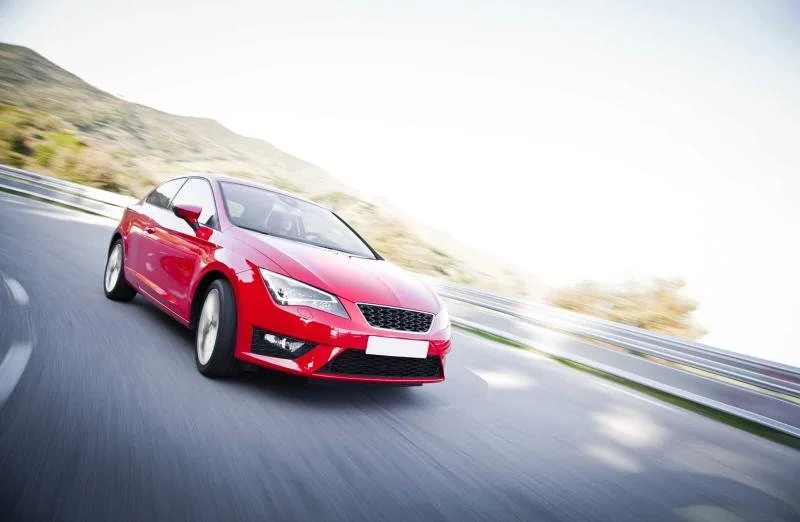
Over the past few years inflation has left its mark on the cost of living, drawn widespread attention, and its effects are reverberating throughout various facets of our present-day lives.
Inflation has impacted the cost of living, grabbed headlines, and snatched attention, over the past couple of years, and its impacts can be felt across various aspects of our lives today. One area where inflation's impact is particularly noticeable is car ownership. As prices for everything from groceries to housing rise, the cost of owning and maintaining a car in America has also seen a significant uptick. The average annual cost of ownership is up more than 13 percent from last year to more than $12,000, or just over $1,000 a month, according to the latest research from the automobile owners group AAA. In this article, we'll dive into the effects of inflation on car ownership and explore what Americans can do to mitigate its impact.
The Rising Costs of Car Ownership
Purchase Price Surge: The most evident impact of inflation on car ownership is the skyrocketing purchase price of vehicles. Inflation has driven up the cost of materials, labor, and transportation, all of which contribute to higher car prices. The average price of the new cars included in AAA’s 2023 study, based on the manufacturer’s suggested retail price, is about $35,000, up 4.7 percent from last year, while the average annual finance charge almost doubled, to $1,253. New cars are becoming increasingly unaffordable for many Americans, pushing them towards used car markets, where even older models command higher prices. A recent article in Investopedia siting a Moody’s Analytics study, the ongoing United Auto Workers strike “could eventually restrict the supply of new cars entering the market and push prices higher for both new and used vehicles.”
Fuel Costs: Inflation doesn't just stop at the car dealership; it extends to the gas pump as well. According to the popular website GasBuddy.com, average gas prices in the United States have increased over 20% since January 2023. As the price of oil rises, so does the cost of fuel. This means that filling up your tank, which was already a significant expense, now takes an even bigger chunk out of your monthly budget.
Maintenance and Repairs: Inflation also affects the cost of car maintenance and repairs. Auto parts, labor, and even routine services like oil changes and tire rotations have all seen price increases. This not only makes it more expensive to keep your car in good working condition but also increases the risk of neglecting maintenance due to budget constraints.
Insurance Premiums: Car insurance premiums are another area where inflation has left its mark. The rising cost of medical care, auto repairs, and legal services associated with accidents has led to insurers increasing their rates. As a result, Americans are shelling out more for coverage.
What Americans Can Do About It
Consider Used Cars: With new car prices soaring, it might be prudent to explore the used car market. You can often find good deals on slightly older models that are still dependable and have plenty of life left in them. Just be sure to have any used car thoroughly inspected by a trusted mechanic before making a purchase.
Fuel Efficiency: Given the rising cost of fuel, consider a more fuel-efficient vehicle. Hybrids, electric cars, and even smaller, more fuel-efficient models can help you save significantly on gas expenses over time.
Refinance Your Existing Car Loan: If you're struggling with high monthly car loan payments due to inflation, consider refinancing your existing car loan. Refinancing can help you secure a lower interest rate or extend the loan term, which can reduce your monthly payments and free up some budget space.
Maintain Your Car: While maintenance costs have risen, neglecting your car's upkeep can lead to more significant and costlier repairs down the road. Stick to a regular maintenance schedule to prolong your vehicle's lifespan and reduce the risk of expensive breakdowns.
Shop Around for Insurance: Don't settle for the first car insurance quote you receive. Shop around, compare rates, and consider bundling policies to save on premiums. Maintaining a clean driving record can also help you qualify for lower rates. Websites and insurance marketplaces like Gabi.com can help you compare auto insurance quotes from a wide range of insurance companies, putting you in a position to reduce the cost of your monthly insurance coverage payments.
Conclusion
Inflation has indeed made car ownership more expensive for Americans. From the initial purchase price to ongoing expenses like fuel, maintenance, and insurance, the impact of inflation is hard to ignore. However, by making informed choices, such as opting for used cars, prioritizing fuel efficiency, refinancing your car loan, and maintaining your vehicle diligently, you can navigate these challenging economic times and continue to enjoy the benefits of car ownership without breaking the bank.