Budgeting: A Powerful Tool for Financial Empowerment
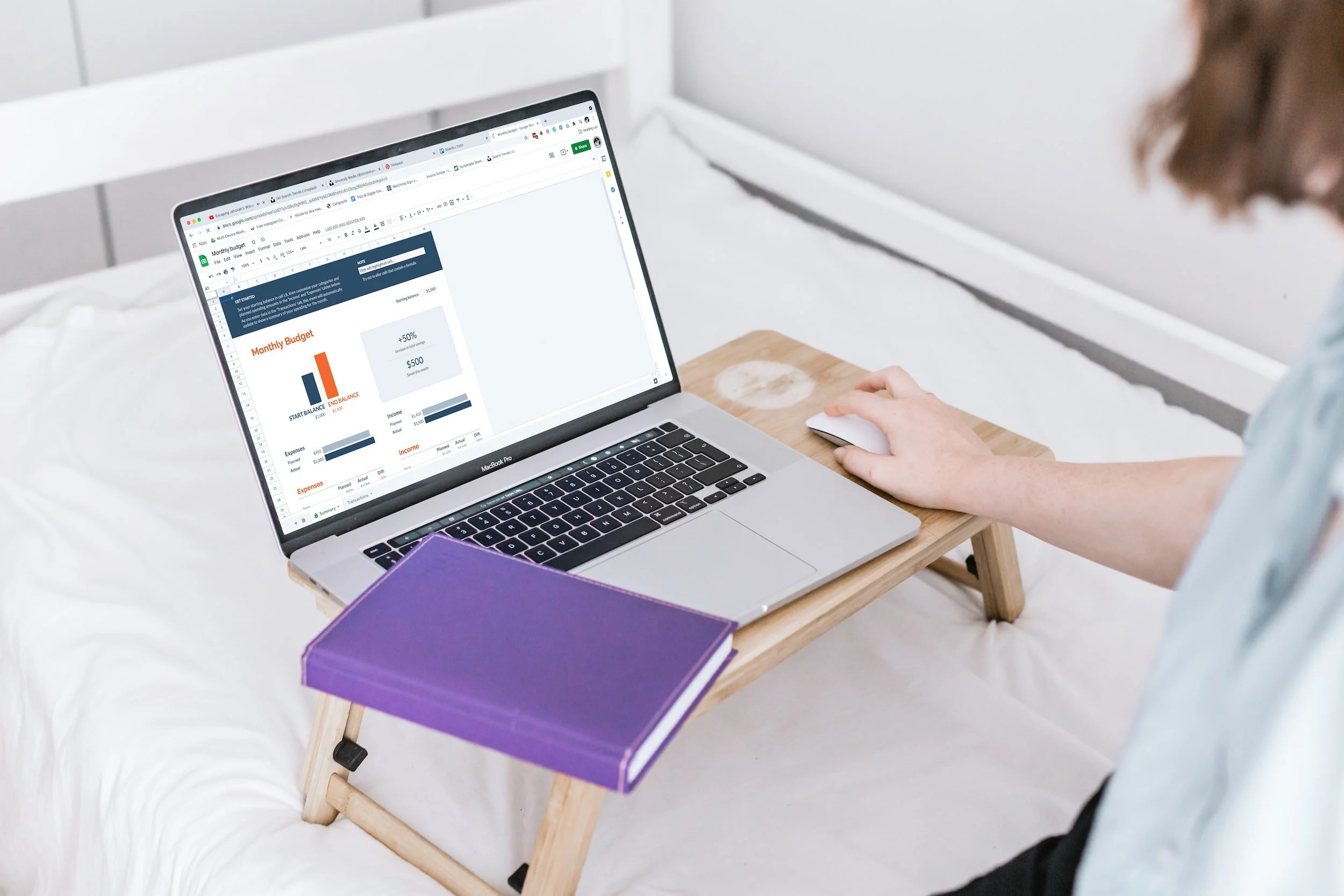
When it comes to initiating a budget, several methods can be employed, each with its own advantages. Regularly review your budget, make adjustments as needed, and celebrate your progress as you work towards your financial goals.
The mere mention of the word "budget" can trigger a wide range of emotions, from a sense of security to overwhelming anxiety. If the sight of your bank account makes you anxious, you're not alone. Surprisingly, over 55% of Americans don't utilize a budget to track their expenses. However, it's crucial to reframe our perception of budgets as not just a constraint but as a potent tool that empowers us to make informed decisions about our financial future, both in the short and long term.
Budgeting doesn't have to be complicated or time-consuming. With just a few minutes of your time, you can set up a budget and learn how to stick to it, taking the initial steps toward achieving your financial goals.
The Benefits of Budgeting
Throughout your life, your financial goals and priorities will naturally evolve. Whether you're saving for a dream vacation, planning a wedding, buying or renovating a home, or preparing for retirement, these goals often require significant financial resources.
Creating and adhering to a budget can ensure that you stay on track to meet these goals and more. It can also help you avoid accumulating excessive debt. In fact, research shows that individuals who don't track their spending tend to have higher credit card debt compared to those who do.
A budget also provides an opportunity to identify unnecessary expenses, enabling you to discover areas where you can allocate more money toward your goals. By critically examining your monthly spending, such as dining out frequently, subscription services, or entertainment, you can identify areas where you can cut back, if necessary. This, in turn, allows you to allocate those saved funds to other financial priorities.
Key Elements of a Budget
Developing a practical budget begins with keeping the objective in mind. Essentially, your budget should provide a clear picture of how much money you earn, how much you spend, and how much is left over.
Once you have this information, you can personalize and break down your budget in a way that aligns with your lifestyle and preferences. While various budgeting approaches exist, many experts recommend the 50/30/20 rule. According to this guideline, 50% of your spending should cover necessities, 30% should be allocated to wants, and 20% should be dedicated to savings and debt repayment.
Examples of expenses falling into the "necessities" category may include:
Housing
Groceries
Basic utilities
Transportation
Insurance
Minimum loan payments
Childcare
Expenses that can be classified as "wants" may include:
Dining out
Gifts
Travel
Entertainment
Based on your financial situation, you might temporarily reduce spending in the "wants" category to ensure you have enough funds to cover necessities or accelerate debt repayment.
Lastly, strive to allocate at least 20% of your after-tax income to savings or debt repayment. Building an emergency fund should be a top priority, followed by contributing to retirement accounts like a 401(k) and paying down high-interest debts.
Creating and Maintaining a Budget
When it comes to initiating a budget, several methods can be employed, each with its own advantages. Consider the following common approaches for tracking your spending:
Spreadsheet: Customize a spreadsheet using programs like Microsoft Excel or Google Docs. Templates are often available to save you time. Keep in mind that spreadsheets require manual updating of expenditures, so consider your commitment to keeping it up to date.
Mobile Apps: Download a budget-tracking app on your phone and link it to your bank account. These apps automatically update your spending and saving as transactions occur. Research different apps to find one that suits your needs and ensure that you use a secure app from a trusted developer when sharing sensitive information.
Envelope Method: If you prefer using cash, the envelope method may be suitable for you. Label envelopes with various spending categories and allocate money to them at the beginning of each month. Once the cash in an envelope is depleted, your spending in that category is done for the month. This method provides a visual reminder of your spending limits as the month progresses.
Remember, the key to successful budgeting lies in consistency and periodic evaluation. Regularly review your budget, make adjustments as needed, and celebrate your progress as you work towards your financial goals.